Get free quotes from drone inspection near you
Takes about a minute. Free, no obligation; providers reply to you directly.
A picture told me everything I needed to know about cheap drone inspection services in about 30 seconds — and it wasn’t a good picture.
A property manager I know hired the lowest bidder on a commercial roof inspection last spring. The inspector showed up with a DJI Mini 2 (retail: ~$450), hovered over the roof for eight minutes, and emailed a Dropbox link to 47 blurry jpegs the same afternoon. The report? A two-paragraph Word doc that said the roof “appeared to be in satisfactory condition.”
Three months later, a contractor found standing water, compromised flashing, and early membrane separation — none of which showed up in those 47 photos. The remediation bill: $34,000.
The drone service cost $150.
The Short Version:Cheap drone inspections can be genuinely fine for simple documentation jobs where you just need aerial photos. But for anything load-bearing — a roof assessment, a structural evaluation, a damage claim — a $150 bargain carries real risk of a five-figure surprise. Here’s how to tell the difference.
Key Takeaways:
- Drone inspections already save 30–50% over traditional methods — the baseline is already cheap
- The real risk of budget services isn’t the price, it’s the equipment and the operator
- Some applications genuinely don’t need premium services; others absolutely do
- The cheapest inspection you’ll ever regret is the one that misses something expensive
The Cost Context Nobody Gives You
Before we talk about cheap vs. quality, let’s be honest about where drone pricing sits. A professional bridge inspection that used to run $10,000 now runs closer to $5,000 with drones. A 300-foot wind turbine that took a full day to inspect manually? Under an hour with a drone. Power line crews that covered 1–2 miles a day on the ground now cover 15–20 miles.
Drone inspection services are already the discount option. The industry is built on being 20–55% cheaper than scaffolding, cranes ($1,000–$2,000/day just for the equipment), and rope access teams.
So when someone offers you a drone inspection at rock-bottom prices, they’re discounting an already-discounted service. That math has to come from somewhere.
What Actually Gets Cut When the Price Gets Cut
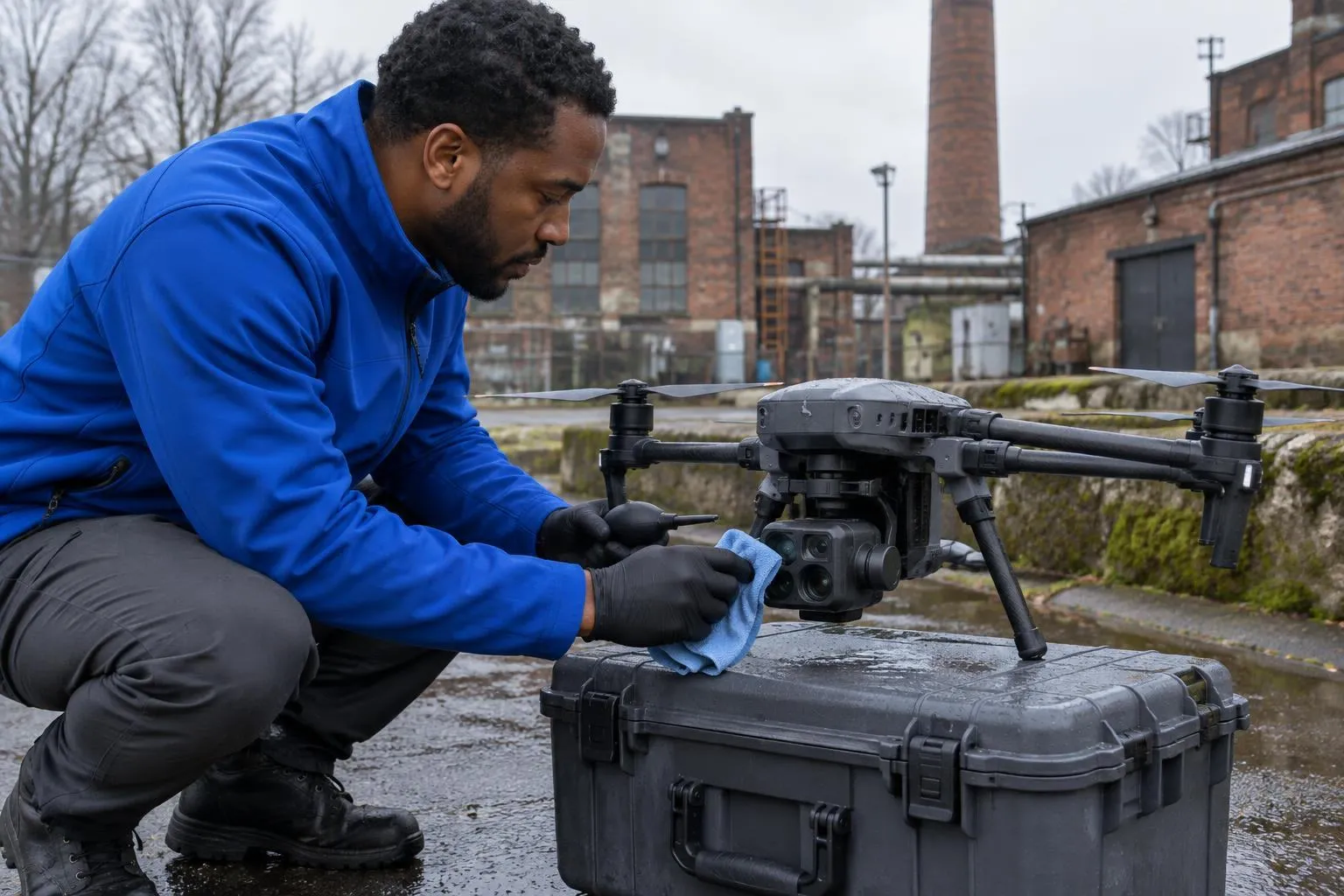
Here’s what most people miss: the cost of a drone inspection isn’t the drone. It’s the operator, the equipment quality, the post-processing, and the report.
When a budget provider trims to $150 or $200, they’re typically doing one or more of the following:
| What Gets Cut | What You Lose | Risk Level |
|---|---|---|
| Equipment quality | Sensor resolution, stability, thermal capability | Medium–High |
| Flight time | Coverage, repeat passes, angles | Medium |
| Post-processing | Annotated reports, measurement data, thermal overlays | High |
| Operator experience | Judgment calls, hazard navigation, complex structures | High |
| FAA Part 107 compliance | Legal coverage, liability protection | High |
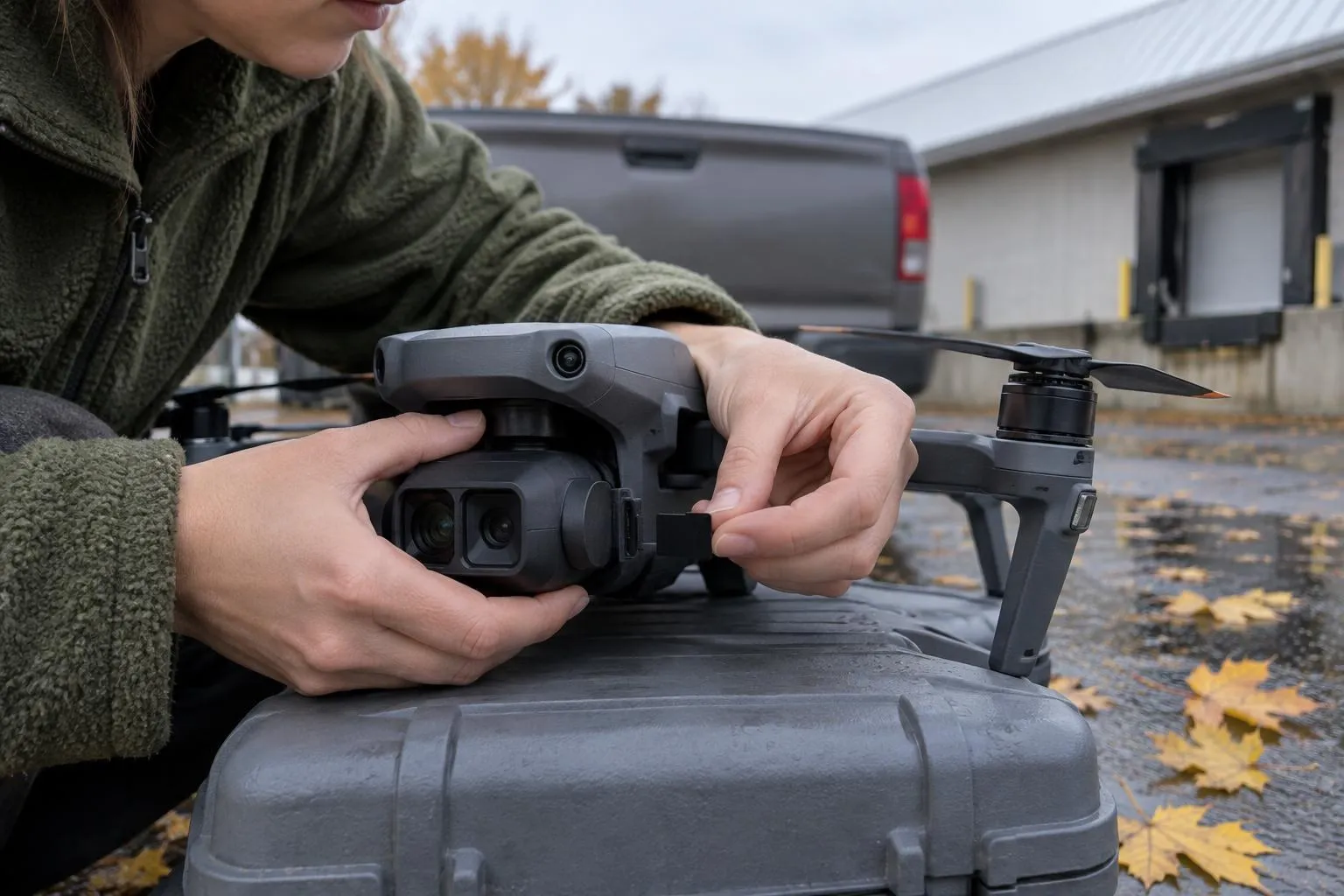
Joshua Ryan of Lifeline Inspection Services puts it plainly: cheap drones risk crashing into the structure being inspected. That’s not a hypothetical. Consumer-grade drones lack the obstacle avoidance, sensor redundancy, and wind resistance that commercial inspection work demands. Greg Martell, another industry operator, is blunter — cheap drones “look cheap and don’t work.”
Reality Check:A $1,000 consumer drone operated by someone with a YouTube education is not the same product as a $8,000–$15,000 commercial UAV flown by an FAA Part 107 certified pilot with liability insurance. They both look like “drone inspections” in a quote email.
When Cheap Is Actually Fine
I’ll be honest — not every drone inspection job needs premium services.
If you need aerial documentation photos for a construction progress report, a simple orthomosaic of a flat site, or before/after shots for a minor insurance claim, a competent operator with mid-range equipment can do the job well at a lower price point. Home inspectors, notably, use drones in 15% or fewer of their inspections and rarely charge a significant premium — because for a standard residential roof walk, the marginal value of a $2,000 thermal-equipped drone over a solid $800 model is often low.
The use cases where budget services genuinely carry risk:
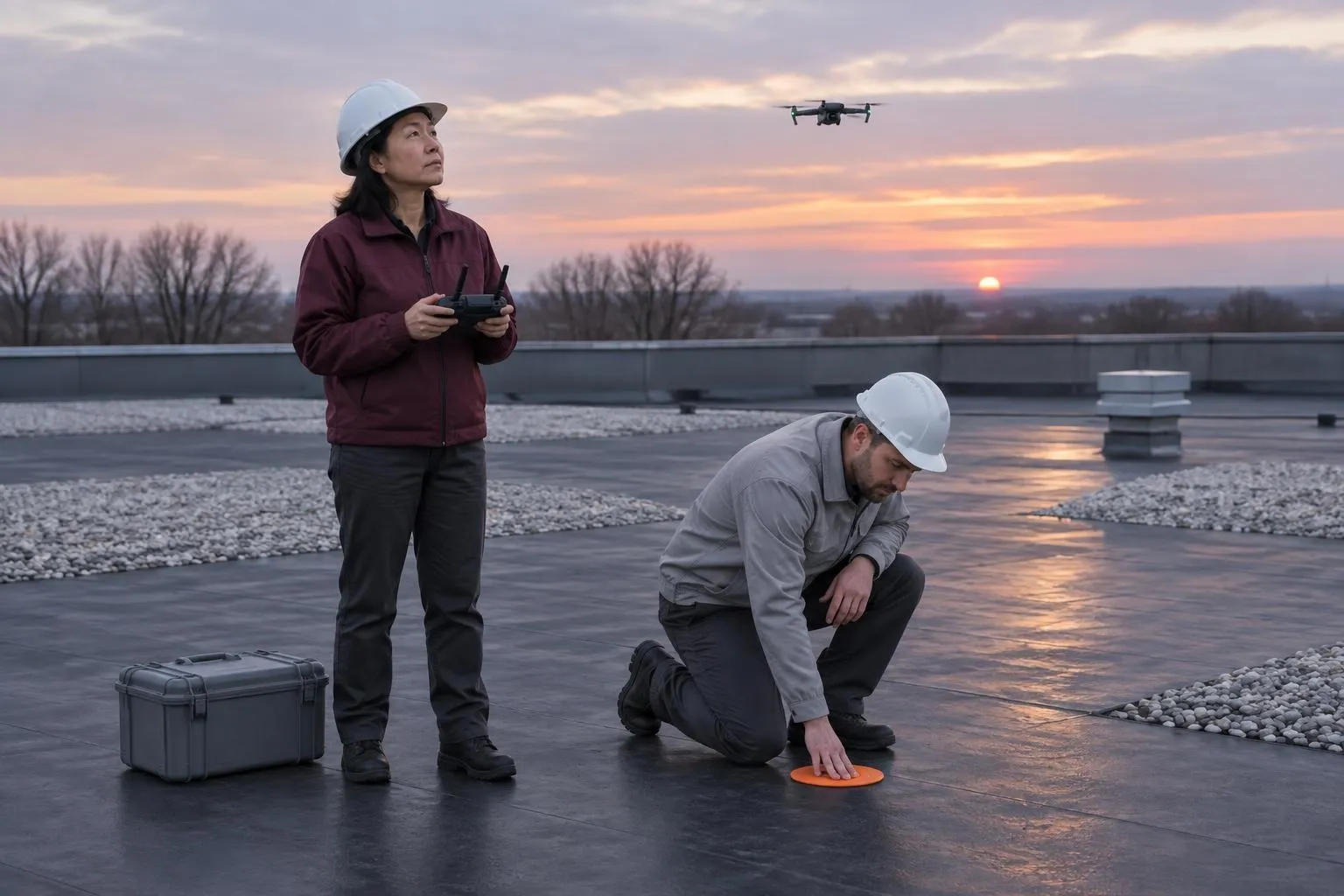
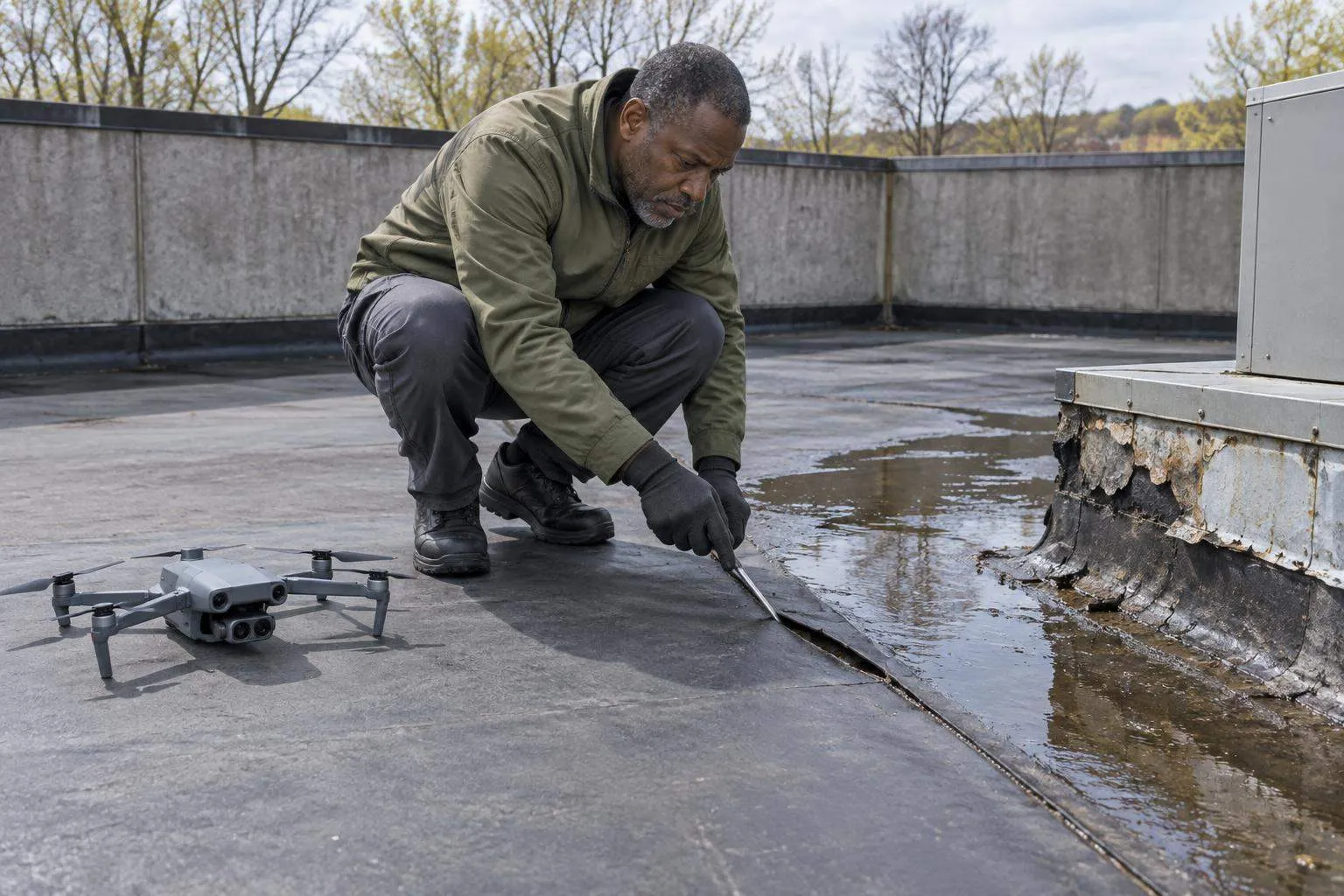
Roofing assessments. Drones can’t see under shingles. An experienced operator knows this and will flag it explicitly — cheap operators often don’t, leaving you with a “looks fine” report when there’s active moisture intrusion in the underlayment. The repair bills for missing sub-surface rot run into thousands.
Structural and civil work. Pipelines, bridges, and industrial facilities need precise measurement data and annotated deliverables, not a photo dump. The 25–30% cost reduction that makes drone inspections attractive for civil engineering only materializes when the data is actually actionable.
Insurance claims. A report that doesn’t hold up to scrutiny costs you more than the money you saved on the inspection.
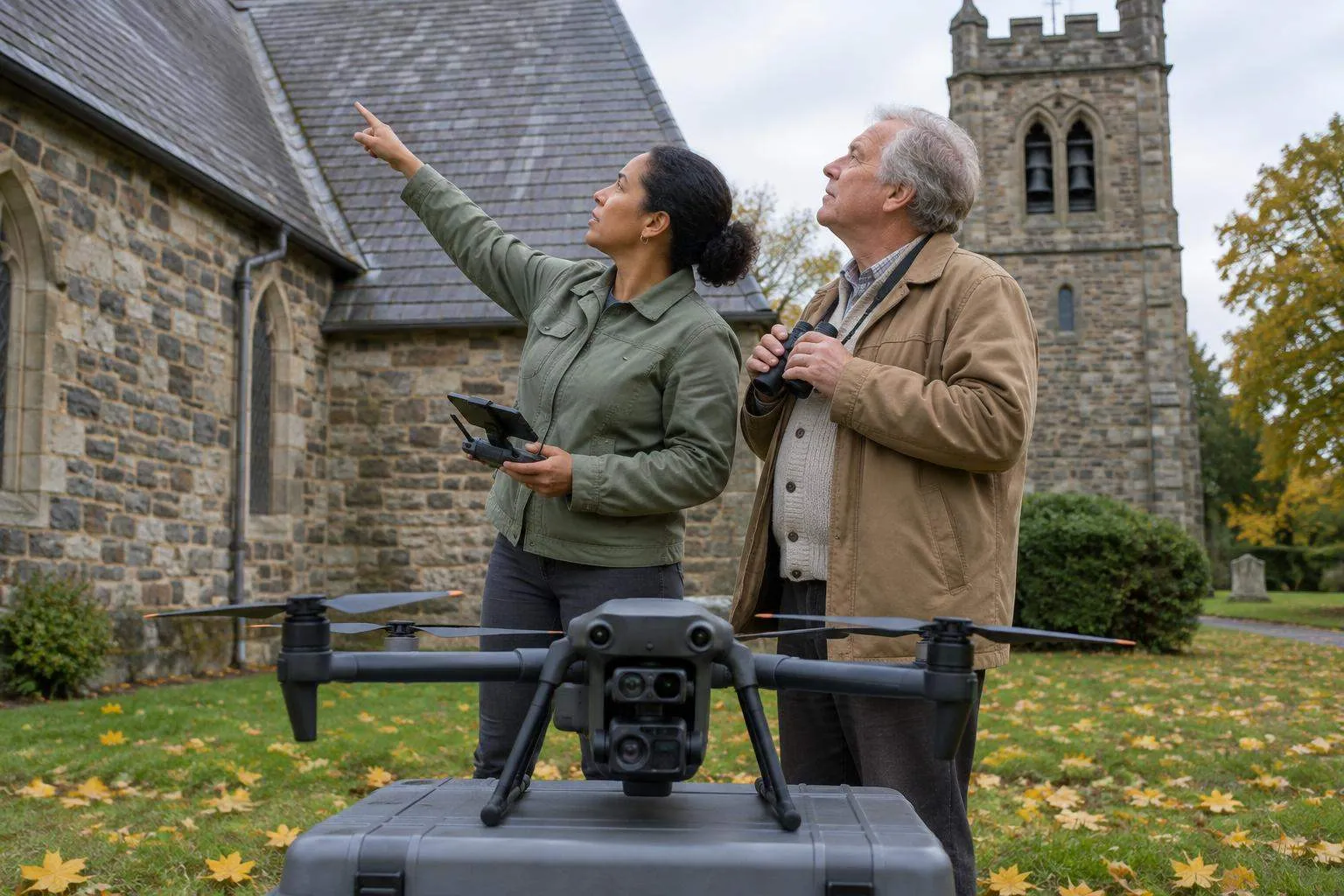
Pro Tip:Before hiring anyone, ask two questions: “What drone are you flying?” and “What does the deliverable look like?” A legitimate operator will tell you the model immediately and show you a sample report. Vague answers to either question are a red flag.
The Hybrid Rule
Here’s something the drone-only crowd won’t tell you: the best inspections combine drone coverage with hands-on access for anything subsurface. Thermal cameras can detect moisture anomalies and heat signatures, but they can’t replace a probe checking for soft spots or an inspector’s hands on a questionable seam.
The smart approach isn’t drone vs. manual — it’s drone for coverage and speed, manual for anything the drone flags as suspicious. A quality inspector will recommend this hybrid approach. A budget service will just send you the photo link.
This matters especially for roofing and facade assessments, where the visible surface and the actual condition can diverge significantly.
The Real Math
Construction firms using drones for project monitoring have cut monitoring costs by 55%. Utilities are clearing 15–20 miles of power line per day instead of 1–2. Scaffolding costs drop 80–90% when it’s not needed.
These savings don’t disappear if you hire a quality operator. They just don’t get eroded by a missed defect, a legally unusable report, or a drone that clips a fascia board on the way up.
The $10,000 traditional inspection vs. $5,000 drone inspection math only works if the $5,000 version produces a report you can actually act on.
Practical Bottom Line
Here’s the framework for deciding how much to spend:
- Low stakes, documentation only — competitive bidding is fine; check for Part 107 certification and a sample deliverable
- Any assessment that will drive a repair or insurance decision — pay for thermal capability, an annotated report, and an operator with verifiable references
- Industrial or civil infrastructure — don’t even consider the cheapest option; you need measurement-grade data and someone who’s done this specific asset type before
The drone inspection industry is already the affordable alternative. When you’re price-shopping the affordable alternative, you’re not optimizing — you’re gambling.
Get three quotes. Ask what drone they’re flying. Ask to see a sample report. The operators worth hiring will answer those questions without hesitation.
For a full breakdown of what a legitimate drone inspection engagement looks like end-to-end, start with The Complete Guide to Drone Inspection Services.
Done reading? Get quotes from drone inspection services near you.
Takes about a minute. Free, no obligation; providers reply to you directly.
Popular cities:
Nick built this directory to help general contractors and risk managers find FAA Part 107-certified drone inspectors without wading through generalist photography outfits that added a drone as an upsell — a conflict of interest he ran into when trying to document storm damage on a commercial roof and couldn’t tell which operators carried the commercial liability insurance to back their reports.